The Rise of High-THC Cannabis Extract: What Every Concentrate Enthusiast Should Know
Getting to Know High-THC Cannabis Extract
When I first started working with cannabis concentrates, the sheer variety of products on the market felt overwhelming. You had sticky wax, crumbly budder, hard resins, and translucent oils. Over time, one distinction became clear: the products that really moved the needle for experienced consumers were the ones built around potency. That is where high-THC cannabis extract comes into the picture. These are not your average flower grind. They represent a concentrated form of the plant's active compounds, often pushing well beyond what even the strongest dried bud can deliver.
I have seen a lot of new users jump straight into dabbing without understanding what they are buying. A jar of golden wax might look appealing, but without lab testing data, you are guessing at the cannabinoid profile. The same goes for budder, which has gained a loyal following for its smooth texture and ease of handling. But texture alone does not tell you about potency or purity. That is why I always recommend starting with a verified high-THC cannabis extract if you are looking for a consistent, powerful experience.
In this article, I want to walk through what makes these extracts different, how they are made, and what to look for when you are shopping. The goal is to give you the kind of practical knowledge you would get from a seasoned budtender, not a sales pitch.
Extraction Methods That Preserve Potency
Not all extraction methods are created equal. The way you pull cannabinoids and terpenes from the plant material directly affects the final product's strength, flavor, and safety. Two methods stand out for producing top-shelf concentrates: solventless extraction and CO2 extraction.
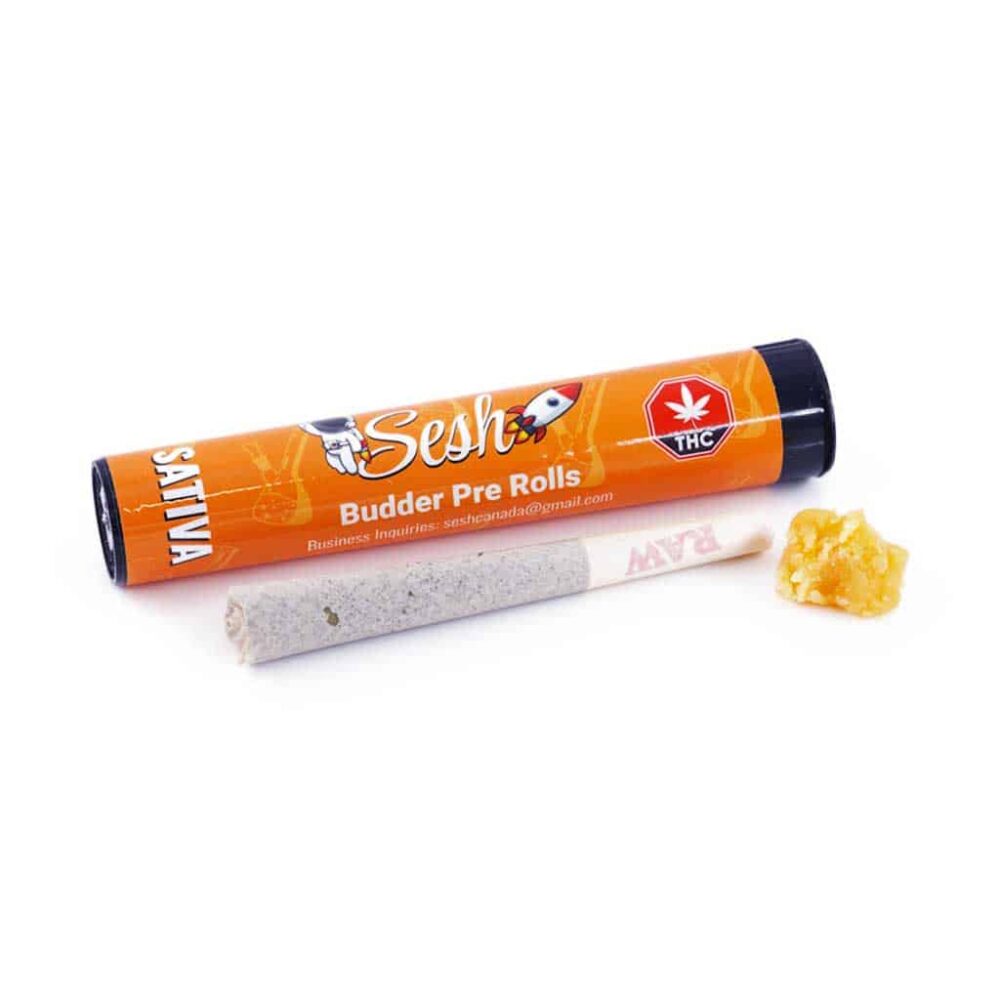
Solventless extraction relies on mechanical separation rather than chemicals. A rosin press applies heat and pressure to flower or hash, squeezing out a thick, oily resin. This method preserves a lot of the original terpenes, which means the flavor profile stays bright and distinct. I have pressed a lot of flower at home, and the difference between a well-pressed rosin and a poorly made solvent-based extract is night and day. The downside is that yields are lower, and the process requires careful temperature control to avoid decarboxylation, which can degrade THC into less psychoactive CBN.
CO2 extraction, on the other hand, uses pressurized carbon dioxide as a solvent. It operates at lower temperatures than many solvent-based methods, which helps protect delicate compounds. The result is a clean, highly potent extract that often tests very high in THC content. Many commercial producers favor CO2 extraction because it scales well and leaves minimal residual solvent. But it is not cheap, and the equipment investment is significant.
There is also live resin, which starts with fresh, flash-frozen plant material. The idea is to capture the plant's chemical profile at its peak, before any degradation sets in. Live resin often retains a more complex terpene mix, leading to a richer flavor during dabbing. However, because the starting material is more expensive and harder to handle, live resin usually costs more per gram.
Refining the Extract: Winterization and Flash Chromatography
Once you have a crude extract, the work is not done. Raw extracts contain waxes, lipids, and other plant matter that can taste harsh and cloud up a dab rig. That is where winterization comes in. The extract is mixed with a solvent (usually ethanol), chilled to subzero temperatures, and then filtered. The cold causes waxy compounds to precipitate out, leaving a cleaner, more translucent end product. I have used winterized extracts in vaporizers, and they tend to leave less residue on the heating element, which makes maintenance easier.
For producers chasing extreme purity, flash chromatography is the next step. This technique separates compounds based on how they interact with a stationary phase and a mobile solvent. It can isolate specific cannabinoids or remove unwanted impurities with very high precision. Flash chromatography is common in pharmaceutical-grade extracts, but it is also finding its way into the premium concentrate market. The trade-off is cost and complexity; a chromatography run might double the price of the final product.
Strain Selection and Cannabinoid Profile
Even the best extraction method cannot fix mediocre starting material. The strain you choose determines the baseline cannabinoid profile and terpene content. Indica strains, for example, tend to produce a heavier, more sedating effect due to their higher ratios of myrcene and linalool. Sativa strains lean toward uplifting, energetic experiences, driven by terpenes like limonene and pinene. Hybrid strains split the difference, and skilled breeders can tailor the profile to fit a specific effect.

When I shop for concentrates, I look for lab testing results that show not just total THC, but also minor cannabinoids like CBD, CBG, and THCV. A high-THC cannabis extract might test at 80% or more, but if the minor cannabinoids are absent, the experience can feel one-dimensional. Some of the best dabs I have had came from a hybrid strain that balanced THC with a modest amount of CBD, rounding out the high and reducing anxiety.
Dabbing and Vaporizing: Getting the Most Out of Your Extract
Dabbing remains the most popular way to consume high-potency concentrates. A dab rig, with its water filtration and precise temperature control, allows you to vaporize the extract without burning it. I have found that starting around 450°F to 500°F gives a good balance of flavor and vapor production. Going too hot can cause decarboxylation and produce a harsh, burnt taste. If you are new to dabbing, a low-temp nail and a carb cap can help you dial in your technique.
Vaporizers designed for wax and concentrates offer a more portable alternative. Many modern vaporizers have ceramic or quartz coils that heat evenly, reducing the risk of scorching. The advantage is convenience; you can load a small amount of budder or live resin and get several smooth hits. The downside is that vaporizers rarely match the flavor clarity of a well-maintained dab rig, but they are far easier to use on the go.
Rosin presses have also become more accessible for home users. If you grow your own flower, pressing it into rosin gives you complete control over the starting material. I have pressed a few ounces of homegrown indica strains, and the resulting rosin tested around 70% THC. It was not as refined as a winterized extract, but it had a depth of flavor that commercial products sometimes lack.
Lab Testing and Transparency
Lab testing is not just a marketing gimmick. A proper certificate of analysis should show the cannabinoid profile, residual solvent levels, and any contaminants like heavy metals or pesticides. I have seen products that claim high potency but test much lower once you look at the fine print. That is why I always buy from sources that provide third-party lab results. It is the only way to know what you are actually inhaling.
The focus on potency has also led to a market where some extracts are pushed to extreme levels through processes like winterization and flash chromatography. While a 90% THC extract sounds impressive, it may lack the full spectrum of compounds that contribute to the entourage effect. A well-rounded high-THC cannabis extract with a balanced terpene profile often provides a more enjoyable experience than a stripped-down isolate.
Practical Tips for Buying Concentrates
Here are a few things I keep in mind when selecting concentrates:
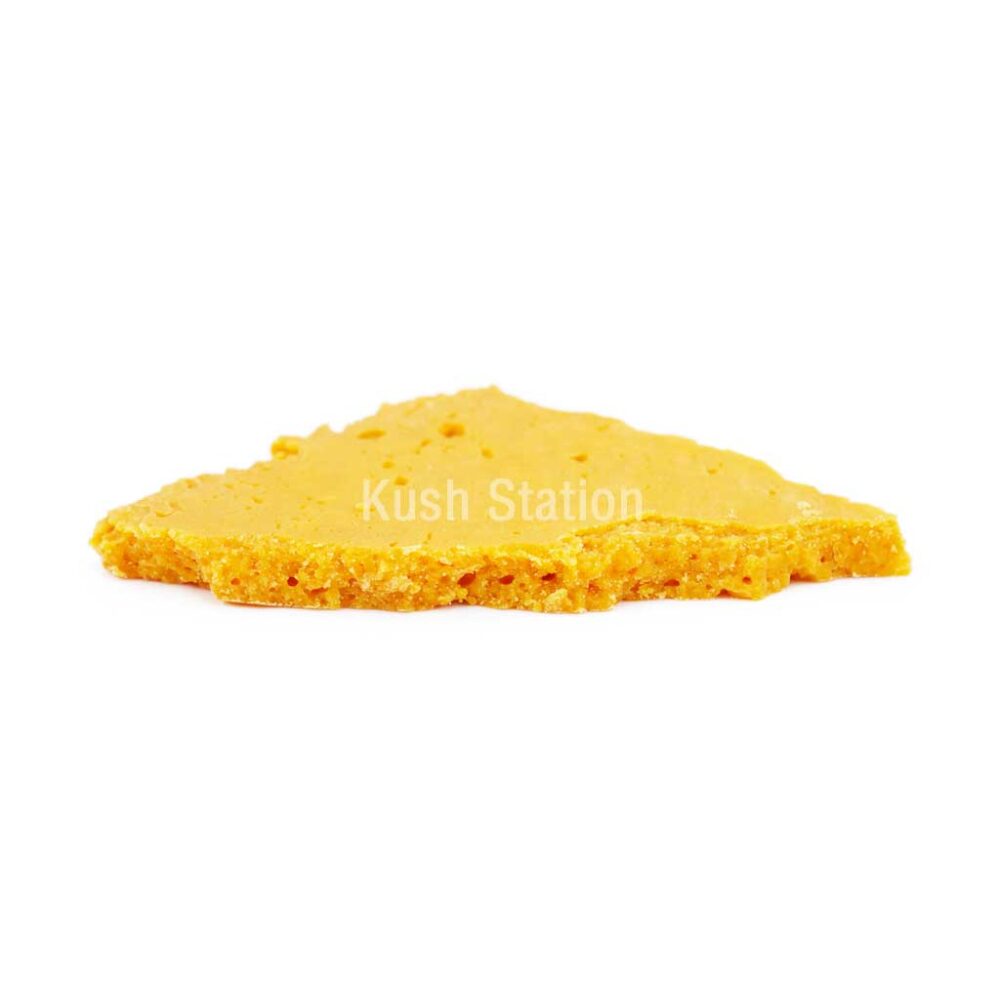
- Check the color and consistency. A good budder should be waxy and pliable, not dry or crumbly. Live resin often looks like a translucent amber.
- Look for lab testing that includes both THC percentage and a full cannabinoid profile. Avoid products that only list a single number.
- Ask about the extraction method. Solventless and CO2 extraction generally produce cleaner results than butane or ethanol-based methods.
- Start with a small amount if you are trying a new strain or brand. Potency varies, and a tiny dab can be surprisingly strong.
- Store your concentrates in a cool, dark place. Heat and light degrade terpenes and can cause decarboxylation over time.
Final Thoughts on High-Potency Extracts
The world of cannabis concentrates is deep and rewarding. Whether you prefer the ease of a vaporizer or the ritual of a dab rig, understanding what goes into your extract makes the experience better. High-THC cannabis extracts are not just about chasing a number; they are about finding a product that fits your preferences for flavor, effect, and purity. With the right knowledge, you can navigate the shelves with confidence and pick something that truly delivers.